If you’re in the mining or quarrying game, you know ANFO screw type charging trucks are the workhorses for delivering ammonium nitrate fuel oil explosives safely and efficiently. But here’s the thing that trips a lot of buyers up: corrosion. Underground mines are brutal—constant humidity, splashing water, occasional exposure to blasting agents that can leave residue, and dust that holds moisture like nobody’s business. Let me tell you, as a supplier who’s been fielding questions about this for years, preventing corrosion isn’t just a “nice-to-have” feature. It’s what makes your truck last 5+ years instead of 18 months, saving you thousands in downtime and repairs.
First off, let’s get one thing straight: ANFO itself isn’t the most corrosive stuff, but the environment these trucks operate in is. Think about it—you’re moving through tunnels where the rock is damp, there’s groundwater seepage, and after a blast, there might be leftover emulsion or nitrates that can eat away at metal if they’re not cleaned right. Our ANFO screw type charging trucks are built with specific corrosion-resistant designs that target every weak point, not just a quick coat of paint and calling it a day.
Let’s start with the main tank, because that’s where ANFO lives. A lot of cheap trucks out there use regular steel tanks, which will rust through fast in humid mine conditions. We use hot-dip galvanized steel for the primary ANFO tank, but wait—we don’t stop there. We line the inside with a food-grade polyethylene coating that’s resistant to both ANFO and any residual moisture. Why food-grade? Because it’s non-porous, so there’s no way moisture can seep through to the steel underneath, even if you have a small spill or the tank gets damp from condensation. I’ve seen mines skip this step and end up with a tank that had pinhole leaks in two years—game over for their charging truck.
Then there’s the screw conveyor system, which is the heart of moving ANFO from the tank to the borehole. ANFO is a bit abrasive, but when it’s mixed with moisture, that’s when it starts causing corrosion. Our screw flights and the trough they sit in are made from 304 stainless steel, which is a common choice for corrosive environments, but we take it a step further. Every weld on the screw conveyor is polished smooth, so there’s no rough edge where moisture and ANFO residue can get trapped. A lot of suppliers cut corners here, using mild steel screws that just get coated—those coatings chip over time from the abrasive ANFO, and then you’ve got rust starting right under the chip. We test our screws by running them through simulated mine conditions for 1,000 hours straight, and we’ve never had a failure there related to corrosion.
Now, let’s talk about the chassis and undercarriage—this is where a lot of corrosion happens that people don’t notice until it’s too late. Underground mines have uneven, rocky terrain, so the undercarriage takes a beating from mud, water, and blasting dust. Our ANFO screw type charging trucks use a powder coating that’s applied after the chassis is sandblasted to bare metal—no shortcuts here. The powder is epoxy-based, which is more flexible than regular paint, so it doesn’t chip when you hit a rock or drive over rough ground. We also add galvanized steel shields to the lower parts of the chassis, around the axles and fuel tank, to keep standing water and debris from sitting there. I know some guys prefer other types of explosive trucks, like the Articulated Chassis Underground Emulsion Truck or the Integrated Chassis Underground Emulsion Truck, and those have similar undercarriage protections because they operate in the same harsh spaces. That makes sense—corrosion is an environment problem, not just an ANFO-specific one.
Wait, let’s not forget about the electrical components. Mining environments have a lot of moisture, and water and electricity don’t mix. We seal all the wiring harnesses with rubber gaskets, and we use corrosion-resistant connectors that are rated for underground use. Even the control panel—our charging trucks have a simple, user-friendly control setup, not some fancy tech that will short out. We mount the control panel high up, away from any splashing water, so that’s another layer of protection. Some suppliers mount control panels lower to save costs, and I’ve heard horror stories about those getting flooded and costing a fortune to fix. That’s a rookie mistake, and we’re not rookies.
Another big one is maintenance protocols, and this is something we push hard with every customer. Corrosion doesn’t just happen on its own—most of it is preventable with regular cleaning. ANFO residue, especially if it gets wet, turns into a kind of nitrate salt that’s super corrosive. We provide every buyer with a detailed cleaning guide: after every shift, you need to flush the screw conveyor and tank with fresh water (we even include a built-in wash system on our trucks to make this easy), then dry all the metal parts. A lot of mine crews skip this because they’re tired at the end of a long shift, but we make it as simple as possible—our wash system is automated, so you just hit a button and it cleans the whole tank and conveyor in 10 minutes. We’ve had customers tell us that this step alone cut their corrosion-related repairs by 70% in the first year.
Let’s also address a common misconception: people think stainless steel is invincible, but it’s not—especially in environments with high chloride levels, which some mines have. That’s why we don’t use stainless steel for everything. For example, the external access panels on our charging trucks are made from aluminum, which is light and resistant to corrosion, and they’re easy to remove for maintenance. Stainless steel would be too heavy here, and not necessary. We also avoid using any uncoated carbon steel bolts on the truck—all bolts are hot-dip galvanized, so they don’t rust even if they get exposed to moisture. I once had a customer come to us after buying a different brand, and all their bolt heads were rusted so bad they couldn’t open the tank in six months. That’s a total fail, and we make sure that never happens to our clients.
Let’s compare our ANFO screw type charging truck to other options out there, just to put this in perspective. If you’re looking at emulsion trucks, like the 15T Emulsion Explosive Charging Truck or the On-site Mixed Emulsion Explosive Truck, those have their own corrosion challenges because emulsion is water-based. But our ANFO trucks have a different set of hurdles, and we’ve engineered around every single one. The Top-mounted Screw Type ANFO Explosive Truck is a variant of our design, and it uses the same corrosion-resistant features—because the top mounting doesn’t mean we skip protection on the parts that still get damp.
Something else we do that most suppliers don’t: we test every single truck before it leaves our facility. We put each one in a humidity chamber for 72 hours straight, spraying it with a salt-water mist to simulate mine conditions, and then check for any signs of corrosion. If there’s even a tiny spot, we fix it before it ships. That might sound like overkill, but when you’re dealing with underground equipment that has to run 12 hours a day, you can’t afford to have a problem start before the truck even gets to the mine.
Now, let’s talk about why this matters for your bottom line. A corrosion-free charging truck will have a longer service life, lower maintenance costs, and less downtime. Downtime in mining is expensive—every hour your truck is out of commission, you’re not charging boreholes, which delays blasting, delays production, and costs you money. I’ve seen mines that saved $20k a year just by switching to a corrosion-resistant charging truck like ours, compared to the cheaper, less protected models they were using before.
Wait, I should mention that we also offer extended warranties on the corrosion-related parts of our trucks. Most suppliers give a 1-year warranty, but we give a 3-year warranty on the tank, screw conveyor, and chassis coating—because we’re confident in our design. If any of those parts rust through within three years, we’ll fix it for free. That’s not something we’d do if we didn’t stand behind our corrosion prevention methods.
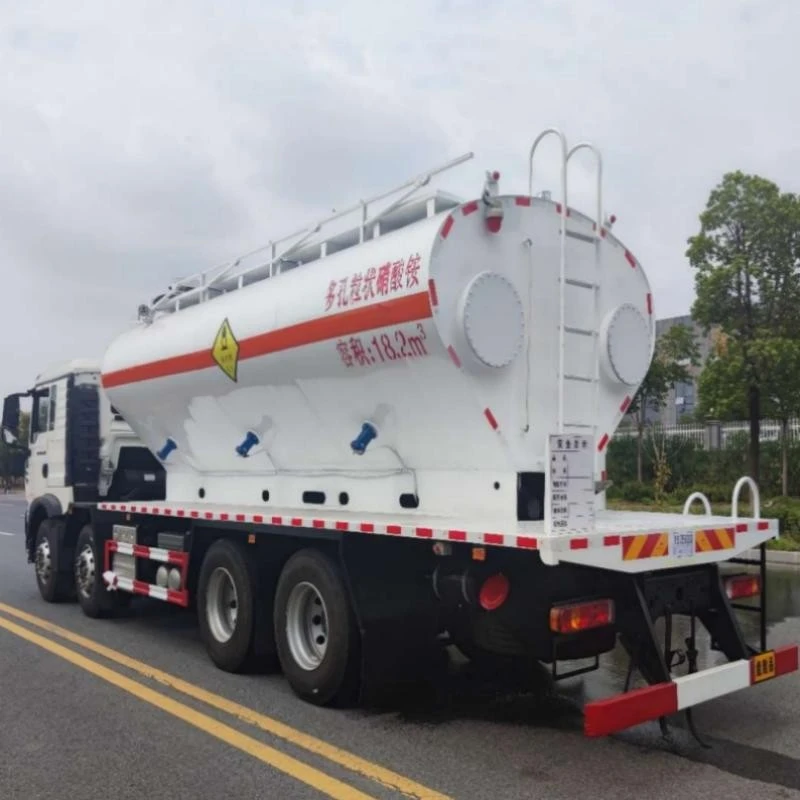
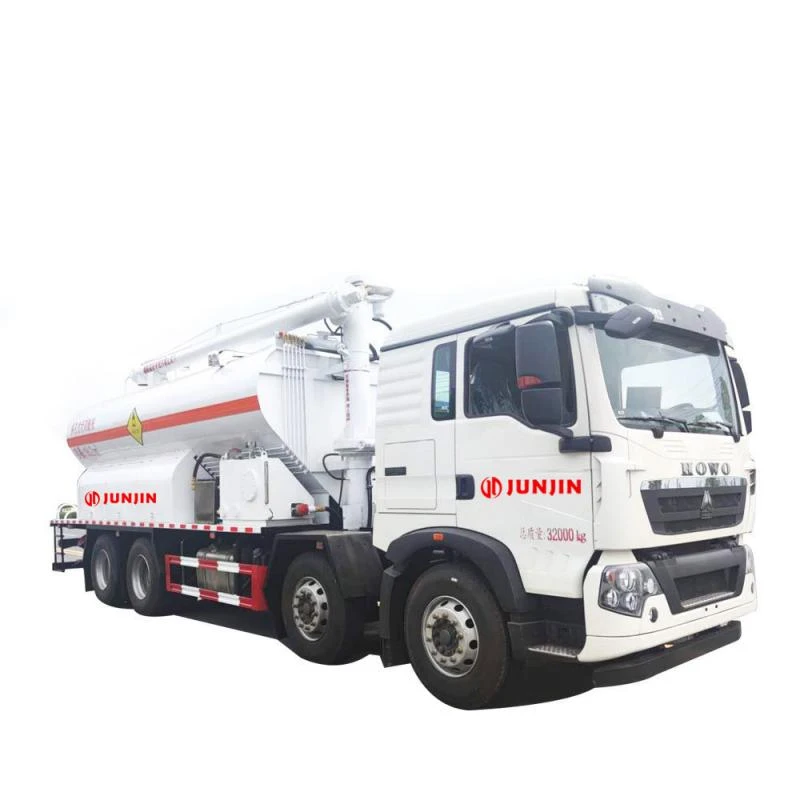
Let me wrap this up with a quick note for anyone who’s in the market for an ANFO screw type charging truck. Corrosion isn’t something you should ignore when buying this equipment. It’s not just about how much the truck costs upfront—it’s about how much it will cost you over its lifetime. Our design targets every possible corrosion point: the tank with a polyethylene liner, the screw with stainless steel and polished welds, the chassis with powder coating and galvanized shields, the electricals with sealed connectors, and we back it up with testing and warranties. If you’re tired of dealing with rusted parts, frequent repairs, and short truck lifespans, reach out to us to chat about your needs. We can talk about how our charging trucks fit your mine’s environment, answer any questions you have about corrosion protection, and help you find the right model for your operation.
References:
- Mine Equipment Corrosion Prevention Guidelines, International Society of Explosive Engineers, 2021.
- Material Selection for Underground Mining Vehicles, Journal of Mine Operations Technology, 2020.
- Performance Testing of Explosive Charging Trucks, National Mining Association, 2022.
- Hot-Dip Galvanizing and Powder Coating for Heavy Equipment, Industrial Coatings Journal, 2021.